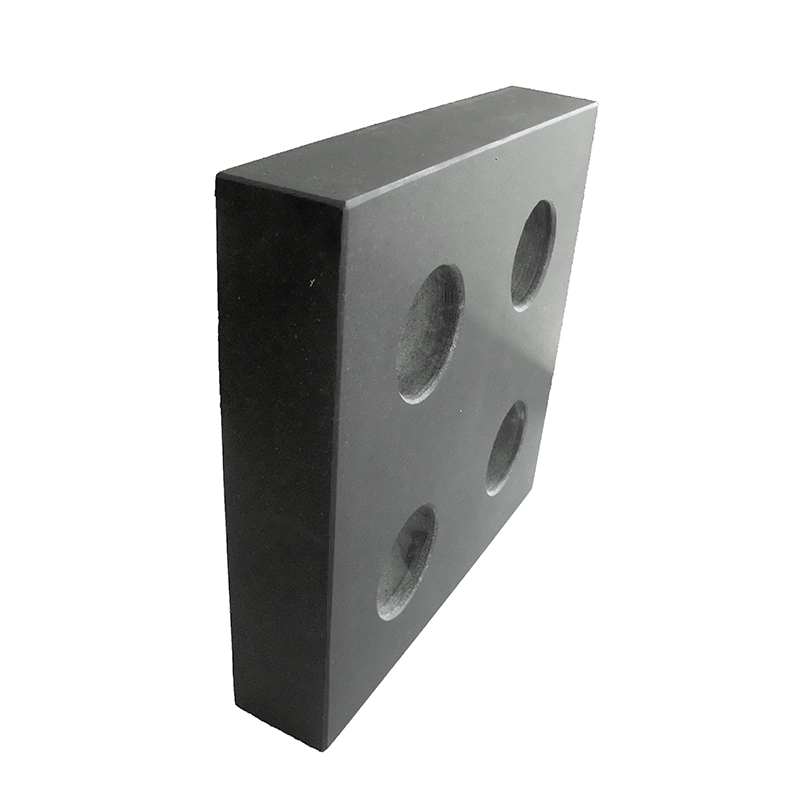
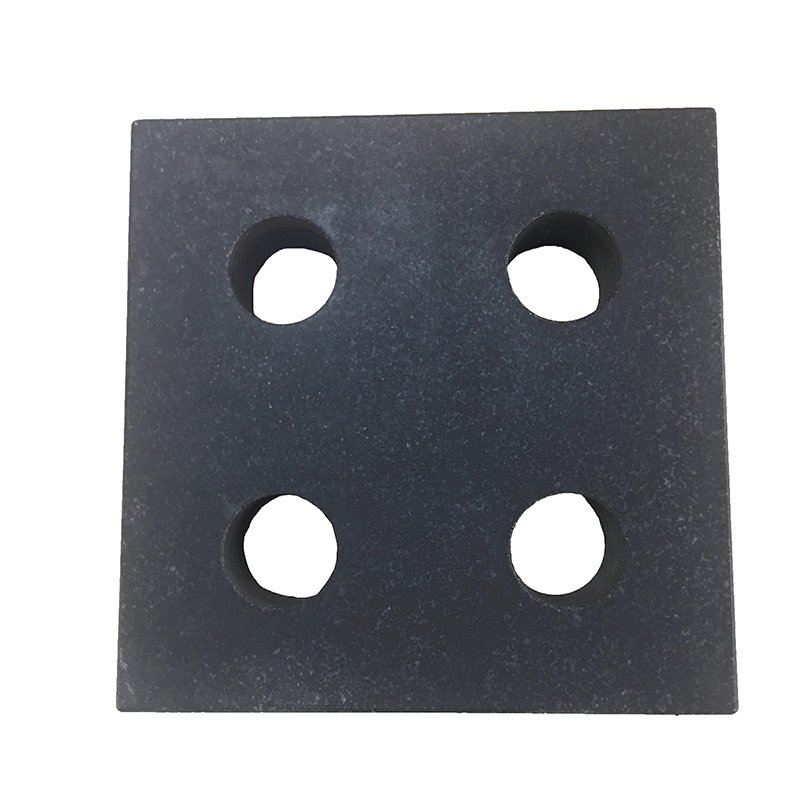
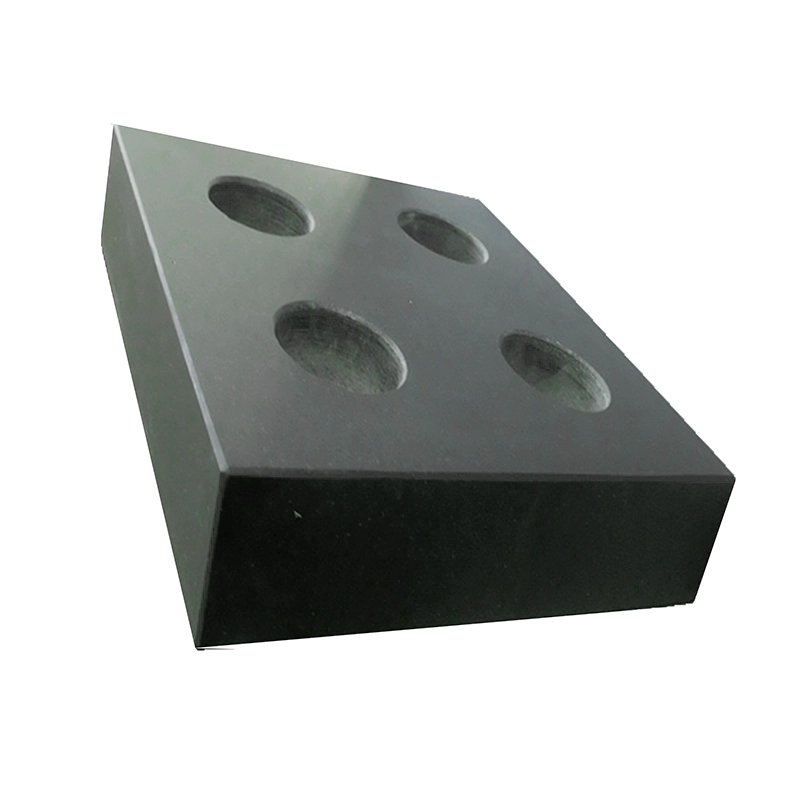
In precision manufacturing, even a small measurement deviation can affect assembly accuracy, product quality, and production efficiency. When inspecting machine components, checking right angles, or verifying the geometric accuracy of precision parts, manufacturers need dependable reference tools that remain stable throughout repeated use.
Unlike measurement tools used only for quick visual checks, a precision granite square is intended to support systematic inspection. Its value lies in providing a dependable reference against which other components and surfaces can be evaluated, helping manufacturers identify deviations before they lead to costly production problems.
A precision measuring tool must deliver more than accurate reference geometry. It also needs to withstand regular handling and fit naturally into the working environment. Granite’s material properties make it suitable for many metrology applications, while a carefully finished surface helps provide the contact conditions required for dependable inspection.
To maintain performance, the granite square should be stored appropriately, protected from impact, and kept clean during use. Dust, chips, accidental knocks, and unsuitable handling can affect measurement reliability or damage precision surfaces. Establishing clear operating and maintenance procedures helps extend service life and supports more consistent results over time.
When selecting a granite square, buyers should consider the required size, squareness accuracy, surface quality, application, and inspection method. They should also confirm the supplier’s specifications and quality documentation to ensure that the selected product matches the intended measurement task.
For machine-tool manufacturers, precision machining companies, metrology laboratories, and industrial quality inspectors, a granite square can be a valuable reference for geometric verification. It supports a more structured approach to checking perpendicularity, helps identify alignment deviations, and contributes to the broader goal of maintaining reliable product quality.
Compared to cast iron, granite offers the following advantages:
Precision measurement is highly sensitive to environmental factors:
Share your application, drawing or dimensional requirements with our team.