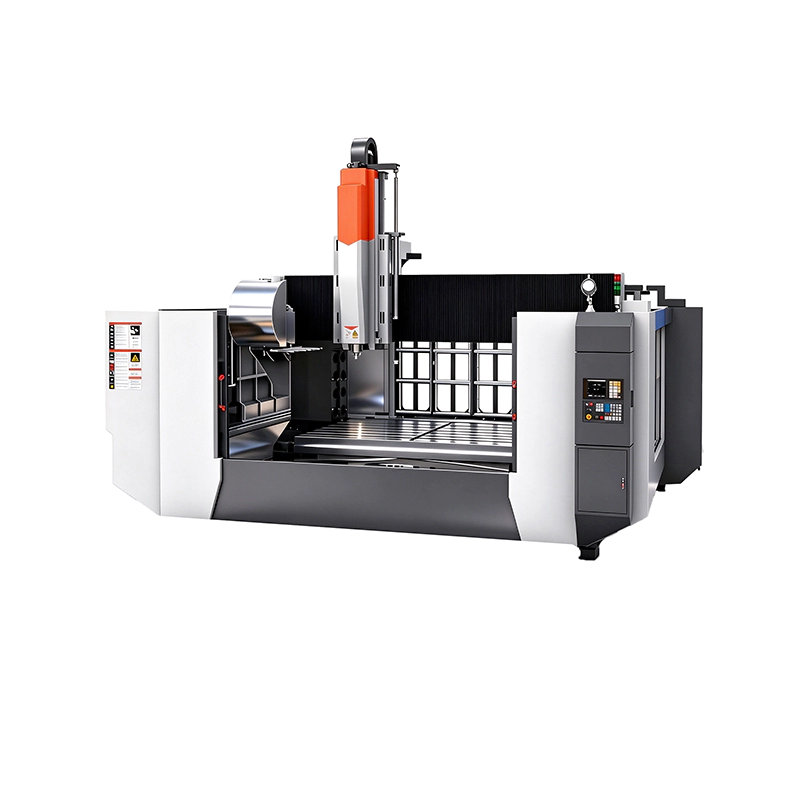
Structure: Mineral Casting at Full Scale The GMC2013’s base — a single mineral casting of ≈ 12 tonnes — integrates the work-table foundation, coolant and chip channels, anchor system and leveling elements in one pour. The gantry crossbeam is likewise a mineral casting structure with cast-in steel guideway inserts, ground after curing. No weld seams, […]
Explore More →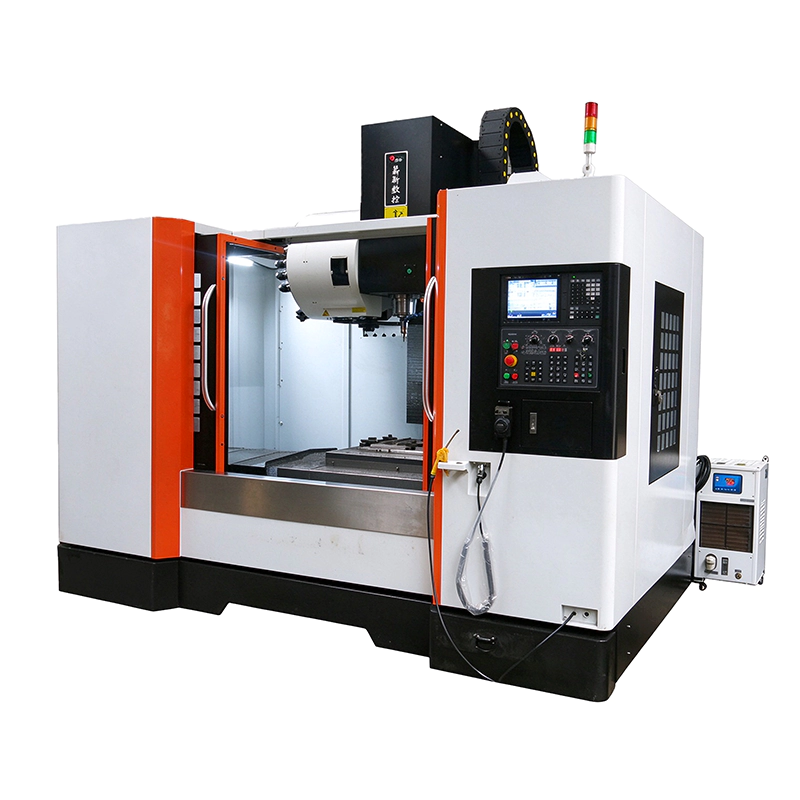
The Mineral Casting Frame The PMC430 frame — base, gantry supports, lower enclosure and integrated coolant and chip tray — is cast from mineral casting in one unified process, with no bolted-on parts and no weld seams. Steel inserts, anchor points, cable channels and coolant lines are cast directly into the structure. Unlike a cast-iron […]
Explore More →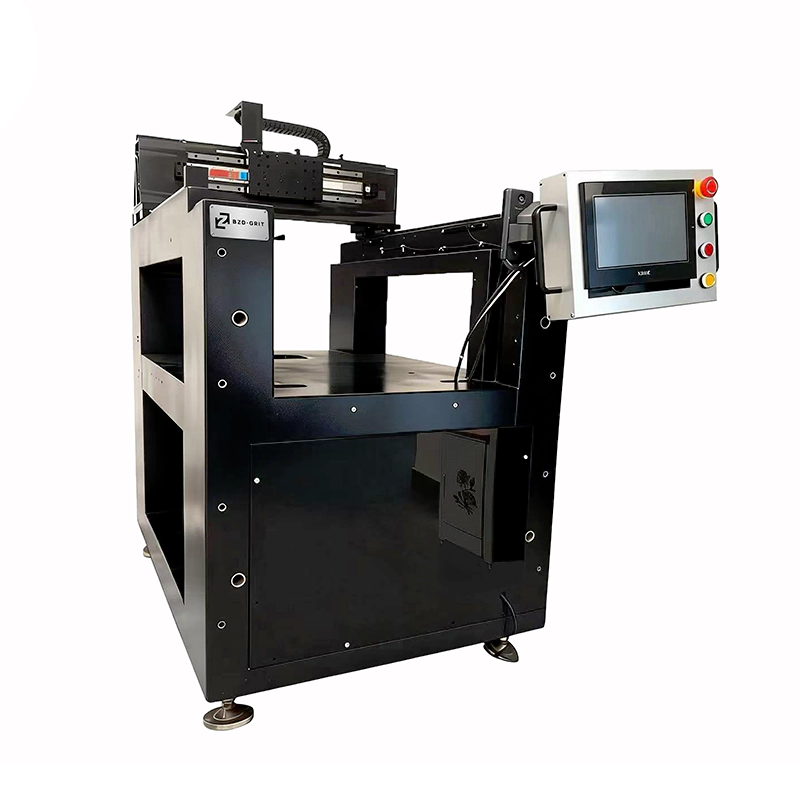
Why Inspection Machines Live on Mineral Casting An AOI machine is a measuring instrument that happens to move fast. Every micron of structural drift becomes a false call or an escaped defect. The AOI1200’s one-piece mineral casting base is cast with its steel inserts in place — no bolted joints to creep, non-magnetic, rust-proof, damping […]
Explore More →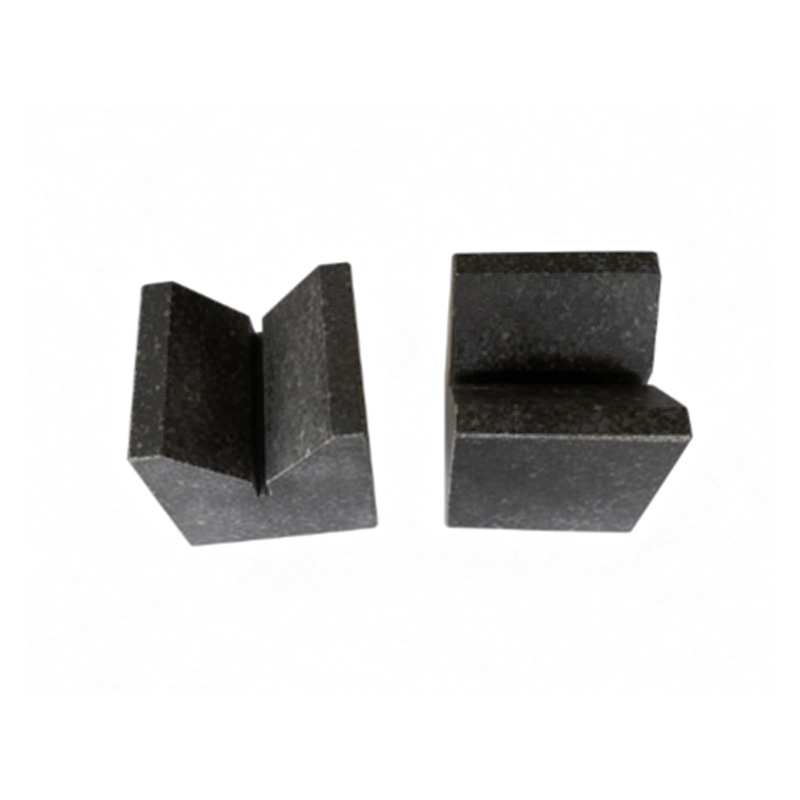
The Material: Stone Aged for Millions of Years Sourced from premium underground rock strata, granite undergoes natural aging over millions of years, resulting in exceptional dimensional stability, fine crystalline structure, and extreme hardness. Even when subjected to heavy impacts during use, these tools may only lose a few granules of stone, and they remain unaffected […]
Explore More →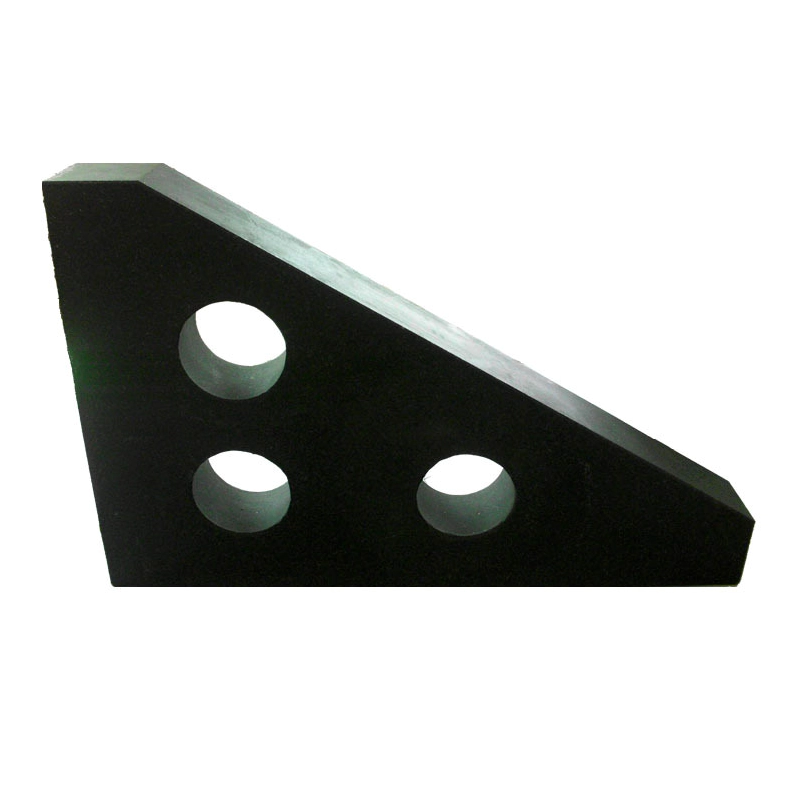
The Material: Stone Aged for Millions of Years Sourced from premium underground rock strata, granite undergoes natural aging over millions of years, resulting in exceptional dimensional stability, fine crystalline structure, and extreme hardness. Even when subjected to heavy impacts during use, these tools may only lose a few granules of stone, and they remain unaffected […]
Explore More →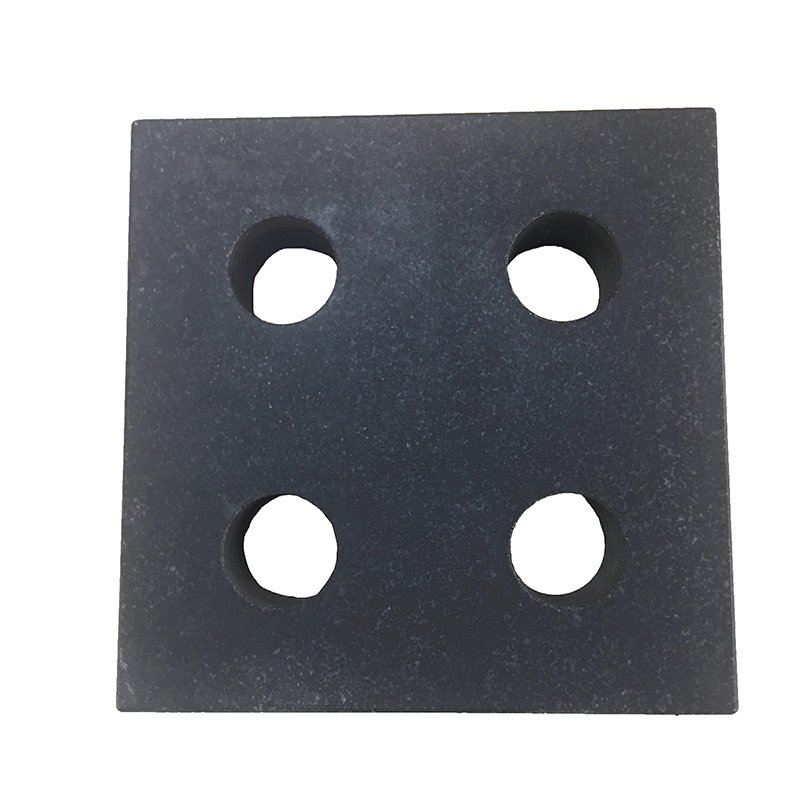
A Stable Reference for High-Precision Inspection In precision manufacturing, even a small measurement deviation can affect assembly accuracy, product quality, and production efficiency. When inspecting machine components, checking right angles, or verifying the geometric accuracy of precision parts, manufacturers need dependable reference tools that remain stable throughout repeated use. Unlike measurement tools used only for […]
Explore More →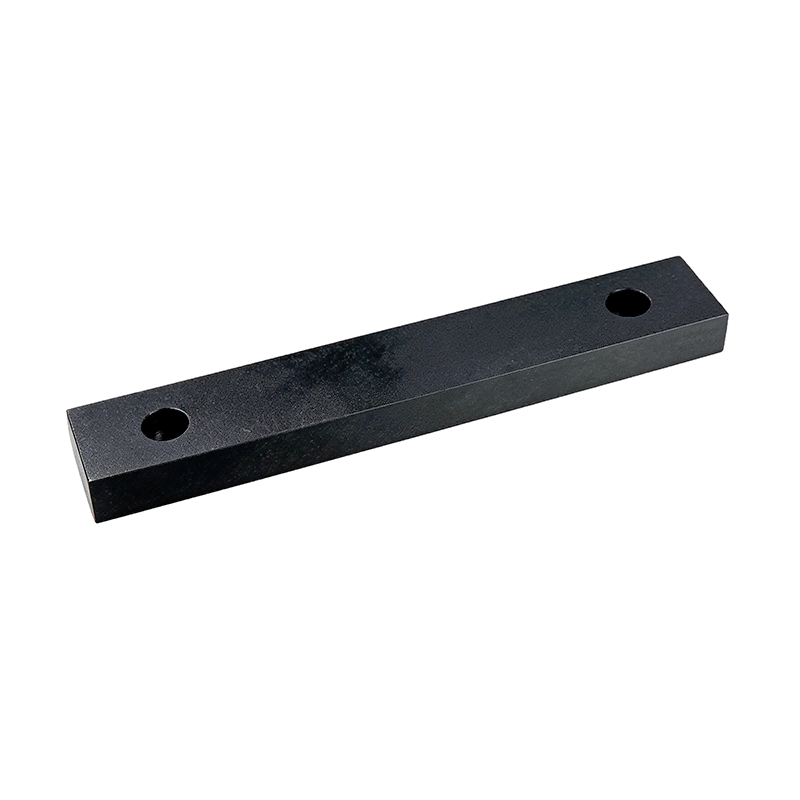
The Material: Stone Aged for Millions of Years Sourced from premium underground rock strata, granite undergoes natural aging over millions of years, resulting in exceptional dimensional stability, fine crystalline structure, and extreme hardness. Even when subjected to heavy impacts during use, these tools may only lose a few granules of stone, and they remain unaffected […]
Explore More →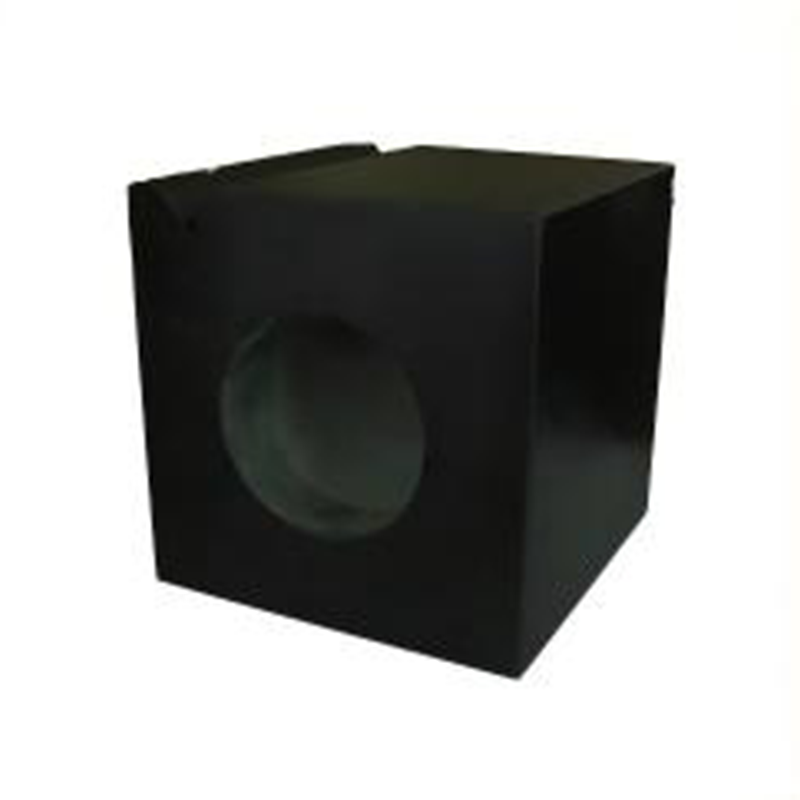
How a Granite Cube Is Made Each granite cube is crafted from high-grade granite, selected for its density, hardness, and resistance to wear. This ensures that the cubes maintain precise 90-degree angles and dimensional stability over time. The manufacturing process is meticulous: starting from carefully chosen granite blocks, each piece undergoes cutting, grinding, and fine […]
Explore More →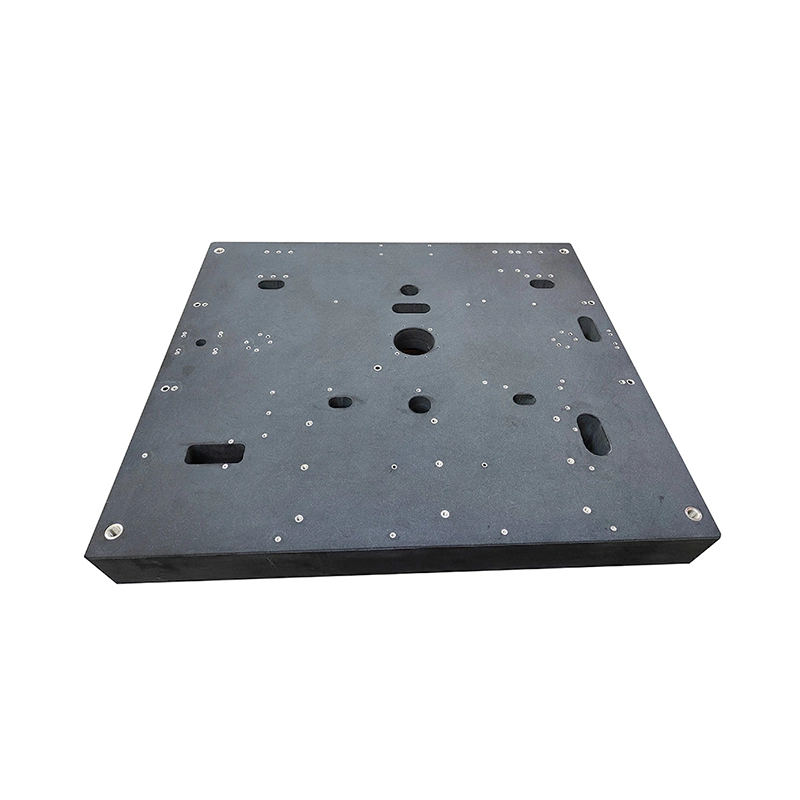
Key Features & Benefits Structural stability & rigidity — natural granite has excellent compressive strength and geometric stability. Ideal for heavy-duty machine bases that require zero deformation over decades. Superior vibration damping — granite’s natural damping capacity is 6–10× higher than cast iron. Reduces machine vibration, improving surface finish and tool life. Thermal insulation & […]
Explore More →Share your application, drawing or dimensional requirements with our team.