How a Granite Cube Is Made
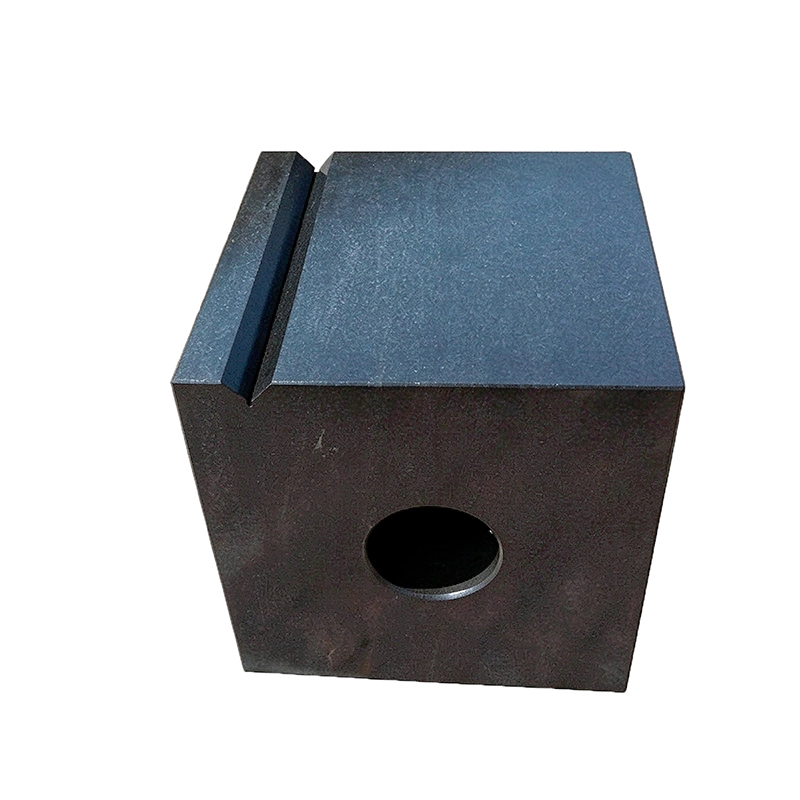
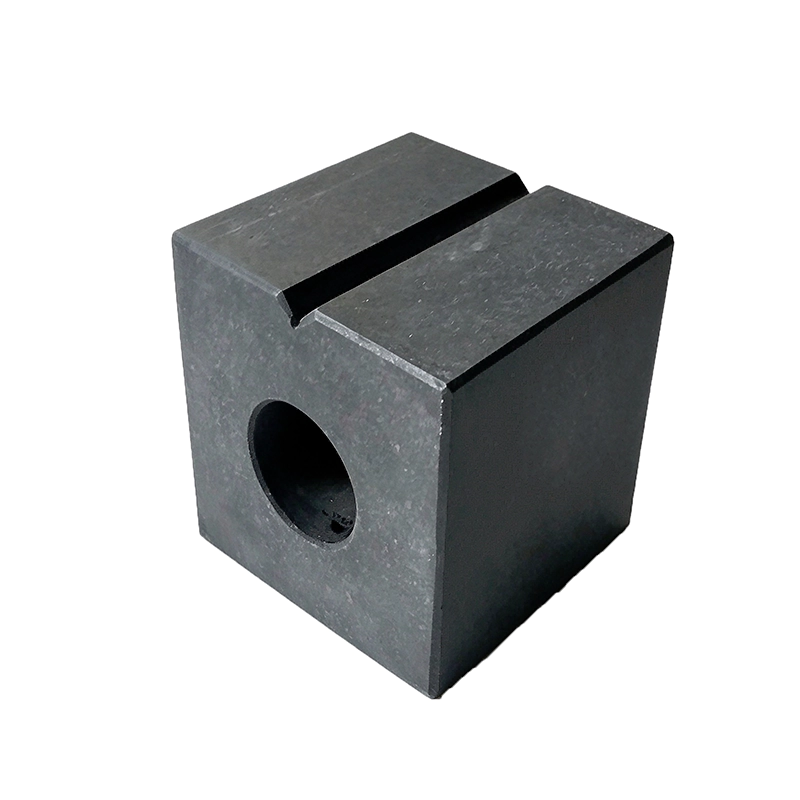
Each granite cube is crafted from high-grade granite, selected for its density, hardness, and resistance to wear. This ensures that the cubes maintain precise 90-degree angles and dimensional stability over time. The manufacturing process is meticulous: starting from carefully chosen granite blocks, each piece undergoes cutting, grinding, and fine polishing. Advanced CNC machinery provides consistent precision, while skilled technicians perform detailed finishing and quality checks, ensuring each cube meets strict flatness and squareness standards.
Why a Cube
Granite naturally resists corrosion and maintains stability under temperature fluctuations, making these cubes ideal for a wide range of industrial applications, from calibration setups to assembly verification in automotive, aerospace, and electronics industries. Polished surfaces provide smooth contact for measuring tools, while their rigidity and vibration-damping qualities reduce errors in sensitive measurements.
Shenzhen Bozhida Robot Co., Ltd. emphasizes not only the quality of the product but also the consistency of the manufacturing process. Each granite cube undergoes rigorous inspection to meet national and international standards. This dedication ensures that customers can rely on these cubes for accurate, repeatable measurements over years of use.
Frequently Asked Questions
Why is granite the preferred material for precision measurement?
Compared to cast iron, granite offers the following advantages:
- Excellent stability: extremely low internal stress, minimal deformation over extended periods.
- High hardness: superior wear resistance, resistant to scratches.
- Corrosion resistance: unaffected by cutting fluids, oil, or rust.
- Non-magnetic: suitable for measuring magnetic materials without magnetic field interference.
- Low thermal expansion coefficient: minimally affected by temperature fluctuations.
What environmental conditions are required when using a granite cube?
Precision measurement is highly sensitive to environmental factors:
- Temperature: standard measurement temperature is 20°C. Significant temperature variations cause thermal expansion/contraction, affecting accuracy.
- Humidity: maintain dry conditions. While granite does not rust, excessive humidity may cause workpiece corrosion or surface condensation on the cube.
- Vibration: install on a stable foundation, away from vibration sources like punch presses or forging equipment.
- Light exposure: avoid direct sunlight to prevent localized thermal deformation.
How should minor burrs or scratches on the surface be addressed?
- Minor burrs: gently remove using a natural oilstone (e.g., Arkansas oilstone) dipped in oil. Do not apply excessive force.
- Deep scratches or pits: do not attempt DIY repair. Contact the manufacturer for professional grinding restoration or recalibration. If located in non-working areas (edges), temporarily avoid using those sections.
What is the calibration cycle?
- General recommendation: calibrate annually.
- High-frequency use: calibrate every 6 months.
- Special circumstances: immediately recalibrate if the cube is impacted, relocated, or exhibits abnormal measurement fluctuations.
What is the service life of a granite cube?
- With proper use and maintenance, the physical lifespan of a granite cube can exceed 10 years or longer.
- Its “accuracy lifespan” depends on usage frequency and maintenance. In laboratory environments a cube may hold its precision for years, but under harsh workshop conditions it may require restoration within 1–2 years.